
Artifact of the Month: September
Each month we will share a unique artifact from our collection.
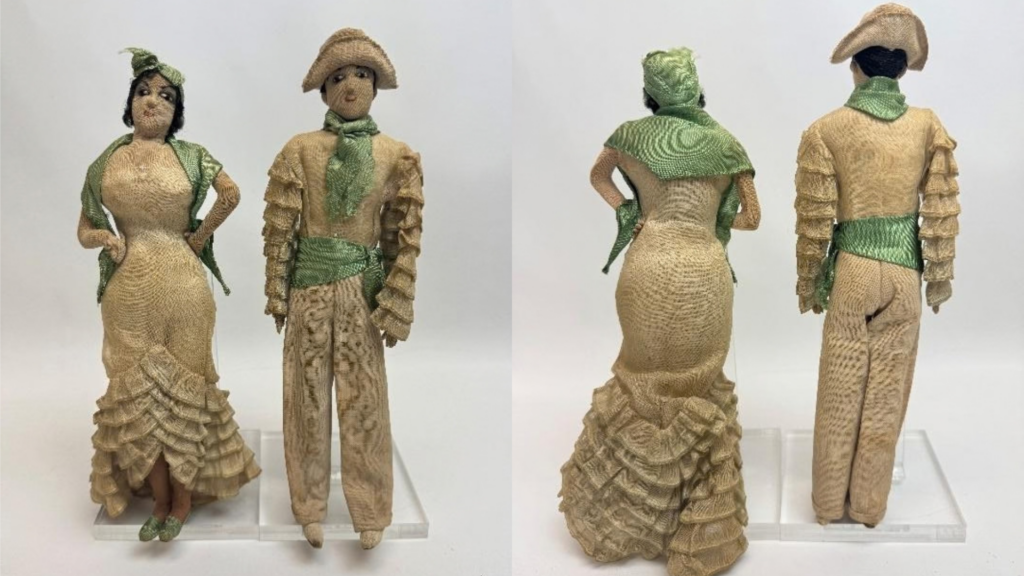
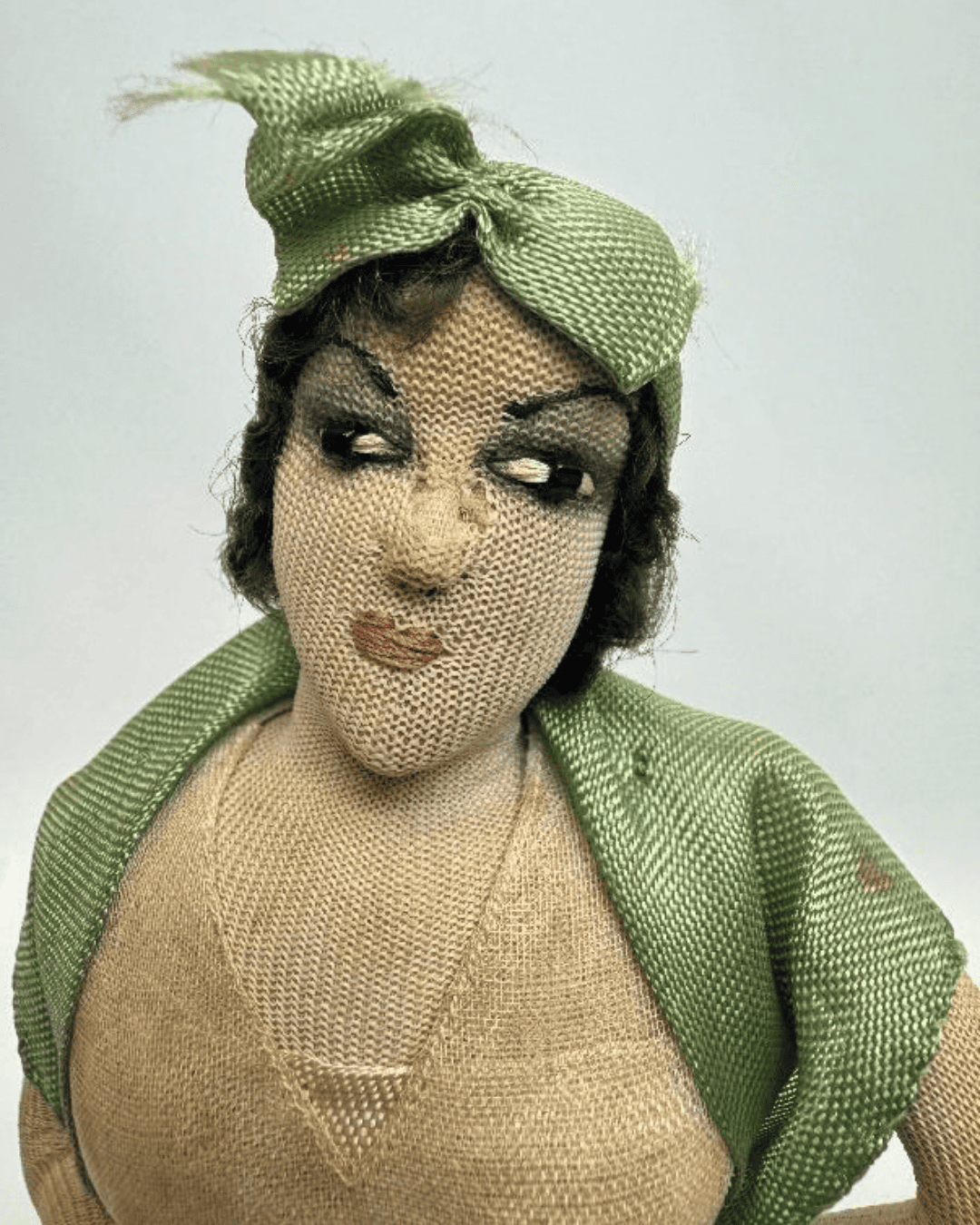
This year, National Hispanic Heritage Month is observed from Sept. 15 to Oct. 15. To celebrate, we’re highlighting these charming rumba dolls from the Tampa Bay History Center collection. Dating from the late 1940s to the 1950s, the dolls are made of nylon and feature carefully hand-sewn faces.
Rumba is a traditional Cuban dance and musical genre that developed during the 19th century. It blends African dance traditions and polyrhythmic drumming with Spanish-influenced choral singing. After slavery was abolished in Cuba in 1886, many formerly enslaved people settled in Havana and Matanzas, where rumba flourished among working-class Afro-Cuban communities.
The word “rumba” has been translated as “pomp,” “uproar,” or simply “party.” These spontaneous, high-energy gatherings offered a space for celebration, community, and cultural expression in the face of social and economic hardship.
Following the Cuban Revolution in 1959, Cuba’s Ministry of Culture and National Folkloric Company helped preserve and promote rumba as an important part of the nation’s cultural heritage. As a result, two forms of rumba emerged: a more spontaneous, community-based street tradition and a formalized theatrical style performed on stage.

Today, rumba is considered one of Cuba’s most iconic cultural expressions and a source of national pride. Its influence can be seen in many other musical and dance traditions, including ballroom rumba, Afro-Cuban jazz, and salsa.

About the Author
Sara Cheesewright serves as Digital Marketing Associate at the Tampa Bay History Center. She holds a Master of Arts from St. John’s University and brings more than five years of editorial expertise to her work. As a lifelong storyteller, she is deeply...